דויד רודס David Rhodes עבר עם משפחתו לקפריסין אבל לא שוכח את חייו בישראל ||| דויד משתף במחשבותיו על 17 שנים של כתיבה בישראל, על יין ישראלי – על האנשים שהעניקו לו השראה, ועל אחרים שגרמו לו לתהות על פשר מעשיהם ||| מספר רודס: "במשך קרוב לחמישים שנה אני רואה את עצמי ככתב. בעשרים השנים האחרונות, היין – ובמיוחד היין הישראלי – עמד במרכז עיסוקי" ||| הצצה לחייו של כתב יין בישראל מפרספקטיבה של זמן ומקום ||| כל הפרטים והסיפורים בהמשך…
התחלה בקליפורניה ומעבר לישראל
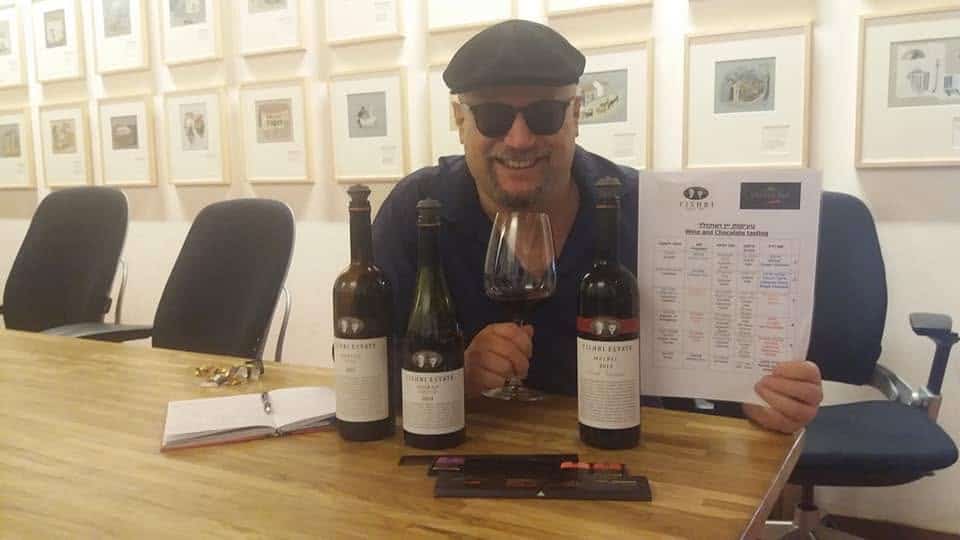
ההיכרות המעמיקה שלי עם עולם היין החלה ב-1985, אך הטבילה האמיתית התרחשה לאחר שעברתי לקליפורניה ב-1992. הקמתי מועדון יין, למדתי את התחום, שימשתי כיועץ לתוכנית לימודי יין, עבדתי כסומלייה וכסגן נשיא ביקב, והנחיתי למעלה מ-200 אירועים.
בשנת 2008 עברתי לישראל, בין היתר בהשראת יינות ישראליים שגיליתי במהלך ביקור בישראל בשנת 2006. הגעתי לישראל עם שליחות, אך ללא תוכנית סדורה: לסייע ליין הישראלי לזכות בהכרה הבינלאומית שהגיעה לו.
לא עניינה אותי כתיבת רשמי טעימה המבוססים על דעה סובייקטיבית ומתן ציונים ליינות. בעיניי, זה היה שקול לכניסה למוזיאון אמנות ומתן ציונים ליצירות שבו על סמך תפיסותיי האישיות בלבד. מעבר לכך, דניאל רוגוב כבר עסק בכך בהיקף נרחב. אני רציתי לספר את הסיפורים שמאחורי היינות, הייננים והאזור. לא יצאתי למשימה דתית או אידיאולוגית. כשר או לא כשר, בתוך הקו הירוק או מעבר לו – כל זה לא שינה דבר. אם היין היה טוב והסיפור מרתק, רציתי לכתוב עליו.
כתבות, רדיו ופודקאסט
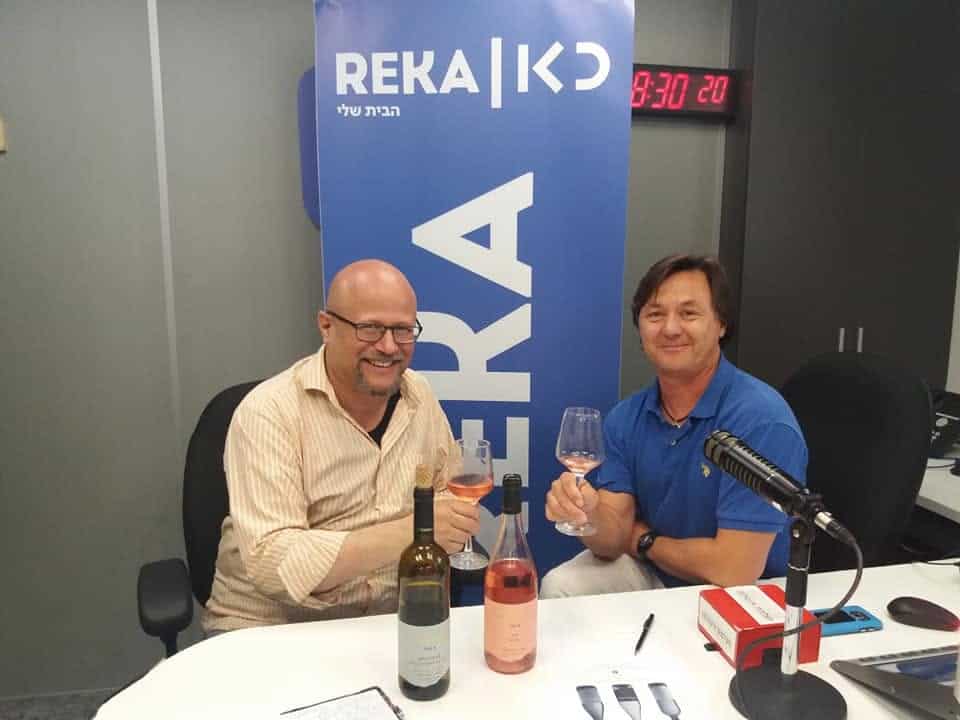
במהלך שבע-עשרה השנים הבאות, יצרתי כאלף כתבות, פודקאסטים והופעות ברדיו. תוך כדי כך, למדתי רבות לא רק על היין עצמו, אלא גם על תרבות היין הישראלית – ועל מאפייניה הייחודיים (ולעיתים המוזרים).
טרמפים בארץ היין
השנים הראשונות שלי היו הרפתקה, כזו שהייתה יכולה בקלות לשמש בסיס לעבודת דוקטורט אחת או שתיים. נדדתי ברחבי ישראל וביקרתי ביקבים – לעיתים באוטובוסים, לעיתים בטרמפים, ולעיתים קרובות בהליכה של קילומטרים רבים כשאני נושא עמי את המחשב הנייד.
לעיתים, יינן שקבעתי להגיע אליו, היה אוסף אותי בדרך. אחרים הציעו לי ארוחת צוהריים, הזמינו אותי לביתם, או חלקו עמי כל מזון שהיה בהישג ידם. התבדחתי על כך שכולם מכירים את היינות של אסף מרגלית, אך כמה אנשים זכו לטעום מהבישולים שלו? הוא היה בשלן מצוין. דבר אחד שאני מצטער עליו הוא שלא הצלחתי לשכנע את לואיס פסקו או את אסף פז – שניהם שפים בעברם – להכין עבורי ארוחת ערב. אם הבישולים שלהם היו טובים באותה מידה כמו היינות שלהם, אני בטוח שאלו היו יכולות להיות ארוחות בלתי נשכחות, במובן הטוב ביותר של המילה.
חייב להדגיש שמה שהדהים אותי יותר מכל כשהגעתי לישראל לראשונה, היה הזמינות של הייננים הישראלים. באמריקה, כשמתקשרים ליקב, לרוב צריך להתנהל מול מרכזייה או תפריט קולי אוטומטי. בישראל, לעומת זאת, היו מקרים שבהם מספרי טלפון ניידים אישיים הופיעו אפילו בספרי יין כך שלעיתים קרובות יכולת להתקשר ישירות לבעל היקב.
אפילו ביקב תשבי, המייצר מיליון בקבוקים ויותר בשנה, ייתכן שבעל היקב או היינן יענו לשיחה אם אף אחד אחר מהצוות לא עונה. הפתיחות הזו הייתה יוצאת דופן.
ברוכים הבאים לעולם יחסי הציבור
בשלב מסוים, אדם מונטיפיורי – שעבד אז ביקב כרמל – הכיר לי את רני רוגל המייסד ובעלים של האתר http://www.Foodis.co.il. רני חיבר אותי לאנשי ונשות יחסי ציבור שעסקו בארגון אירועי יקבים או יבואני יין, עבור כתבים בתחום היין. כך הפסקתי להיות "אאוטסיידר" שצופה מהצד, והתחלתי להשתתף בטעימות לצד משפיענים וכתבים, שרובם המכריע היו "צברים" ילידי ישראל.
כך פתאום, במקום לטייל ברחבי רמת הגולן או הנגב, מצאתי את עצמי משתתף בהשקות יינות מושקעות עם ארוחות ערב במסעדות שף – בעיקר בתל אביב, לעיתים בירושלים, ולעיתים רחוקות יותר השקות ביקבים עצמם. רבות מהארוחות היו נפלאות; אחרות היו בגדר הגזמה פרועה. היקף המותניים שלי, שהיה צנוע למדי באותה תקופה, גדל באותו קצב שבו גדל מספר ההזמנות שקיבלתי.
להערכתי, היו כחמישים כתבים ומשפיענים קבועים שפעלו במעגל הזה, כאשר בכל אירוע נכחו בדרך כלל כעשרים או שלושים מהם. חלק מהאירועים תוכננו עבור קבוצה מצומצמת מאוד – תריסר אנשים, ולעיתים אף פחות מכך. מכיוון שרק מעטים מבין אותם חמישים כתבים יצרו תוכן באנגלית, זכיתי לא פעם להיכלל גם באירועים האקסקלוסיביים ביותר, שכללו רשימת מוזמנים מצומצמת במיוחד.
כתב יין יחיד באנגלית
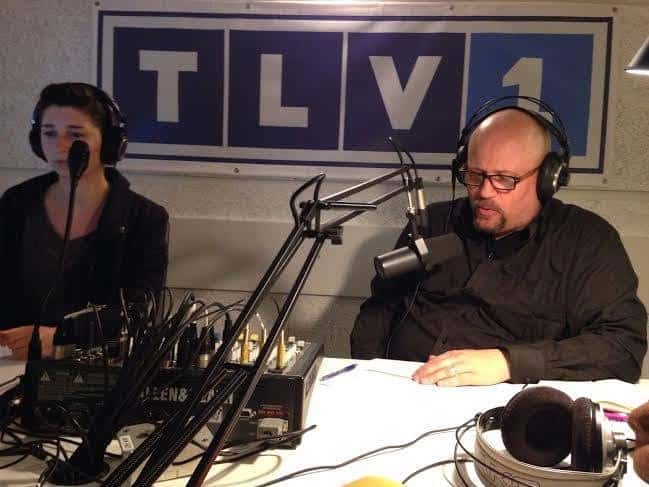
לא היה זה נדיר למצוא את עצמי ככתב באנגלית היחיד בחדר, מה שהוביל לכך שדבריי תורגמו לעברית למעלה ממאה פעמים. כשמישהו ציין בפניי שהוא קורא את דבריי בעברית, נהגתי להשיב: "אמרו לי שהעברית שלי אלגנטית למדי – אבל זה בזכות התרגום לעברית של רני רוגל, ולא מעיד על השליטה האמיתית שלי בשפה העברית". זו הייתה התרומה שלי. ישראל לא הייתה זקוקה לעוד כתב שיפנה לישראלים בעברית. היא הייתה זקוקה לאנשים שיספרו את סיפורי היין שלה בעולם, יעודדו תיירות ויצוא.
בסופו של דבר הפכתי לכתב היין של מגזין ESRA עבור תושבי ישראל דוברי אנגלית, ומומחה יין קבוע בשידורי הרדיו באנגלית של רדיו ישראל. הנחיתי גם שני פודקאסטים נוספים ברדיו, והופעתי במספר פרסומים בינלאומיים, טלוויזיה ורדיו בארה"ב, גרמניה, אוסטרליה וסין כמומחה ותומך ביינות ישראליים. גארי ויינרצ'וק Gary Vaynerchuk הכניס אותי לתוכנית היין המושמעת ביותר באמריקה. העובדה שלא הייתי מישראל נתנה לי במקור אמינות רבה יותר להיות תומך מאשר מישהו יליד ישראל בעיני אנשים רבים. ככל הידוע לי, הייתי כתב היין היחיד בישראל שפרסם מאמר באתר האינטרנט של רוברט פארקר Robert Parker, כשראיינתי את כתב היין הישראלי שלו, מארק סקוויירס Mark Squires.
כשהכנסת אורחים הופכת לתחושת התחייבות
אבל ככל שהשתתפתי ביותר אירועי יין והשקות ישראליים, נחשפתי להתנהגות מטרידה למדי ע"י חלק מכתבי היין. חלק מכתבי היין היו עמיתים נפלאים: בעלי ידע, סקרנים, מכבדים, ובעלי רצון אמיתי לסייע ליקבים. אחרים, כך נראה, גילו עניין רב הרבה יותר בארוחות ערב בחינם וביינות שניתנו במתנה.
שמעתי על כתבים שהפעילו לחץ על יקבים או על חברות יחסי ציבור לארגן אירועים במסעדות יוקרה, כתנאי לפרסום כתבה. מסתבר שטעימת יינות משובחים לא הספיקה – היא הייתה חייבת להיות מלווה בארוחה מפוארת. ומפוארות הן אכן היו – יצא לי לשלם בעצמי למעלה מאלף שקלים עבור ארוחה במסעדה, שהייתה צנועה יותר מאשר המסעדות אליהן הוזמנו לערב שמומן כולו על ידי היקבים.
נתחי בשר יקרים, אינספור מנות פתיחה, ארוחות מרובות-מנות, יינות מצוינים, ולעיתים אף מתנות לקחת הביתה. באחת הארוחות הוגשו לא פחות מ-26 מנות לתשעה כתבים. באותו ערב אכלתי ושתיתי כל כך הרבה, שלא נזקקתי לאוכל נוסף עד לארוחת הערב למחרת – וגם אז, אכלתי רק כי חשבתי שאולי ארגיש רעב לפני השינה.
מעולם לא הרגשתי רגשות אשם על כך שקיבלתי הכנסת אורחים. הייתי שם כדי ללמוד, לשאול שאלות ולספר סיפורים. אך מעולם לא ראיתי בארוחה חינם התחייבות לכתוב ביקורת חיובית – או לכתוב משהו בכלל. לעיתים, אם לא היה לי דבר טוב לומר על היינות או על האירוע, סברתי שהדבר המנומס ביותר הוא פשוט לא לכתוב דבר; כך שמרתי על אמינותי, ובו בזמן כיבדתי את הכנסת האורחים שלהם. אבל, עבור חלק מהמשתתפים, נדיבות המארחים יצרה ציפיות, במקום לעורר הכרת תודה.
מפגשים לא נעימים
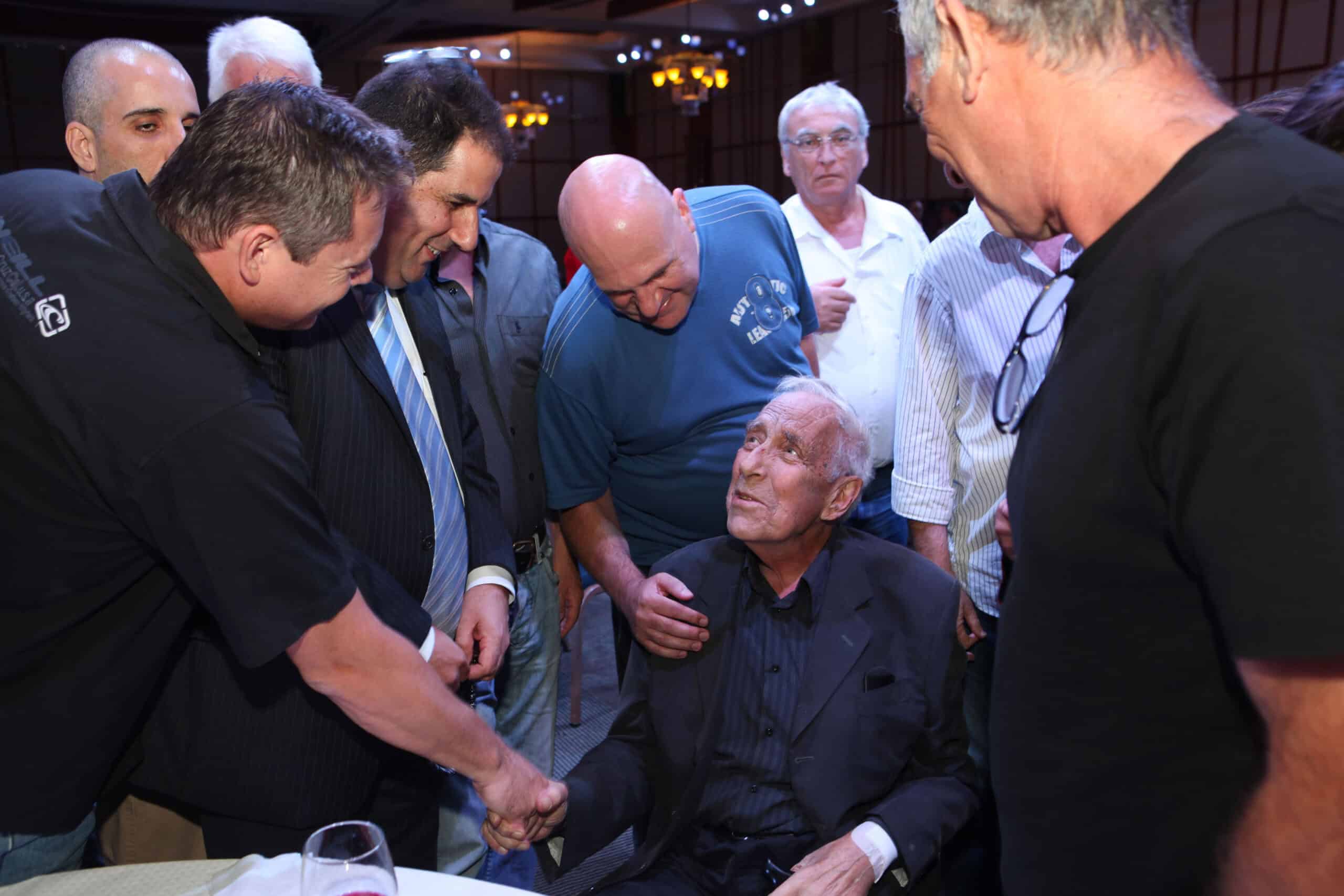
במהלך שנותי השתתפתי בעשרות מפגשי יח"צ ו/או מסיבות עיתונאים אבל היו גם כאלה שהייתי שמח לא להשתתף בהן, מבחינת תגיד לי מי חברך ואגיד לך מי אתה. וזה לא אני !!!
כתב אחד סיפק שיעור בלתי נשכח בנימוסים גרועים: באחד האירועים, ראיתי את אחד המשתתפים מפרק כמה כריכים, מוציא את המילוי באצבעותיו ומשאיר את השאריות לאחרים. זו הייתה תקרית קטנה, אך דוגמה בולטת לכך שחלק מהאורחים מגלים התחשבות מועטה ביותר כלפי המארחים שלהם וכלפי עמיתיהם. תהיתי לעצמי כיצד אדם המתנהג כך באירוע מקצועי ממשיך לקבל הזמנות. מה קרה לנימוסים בסיסיים ולכבוד כלפי המארחים וכלפי שאר האורחים?
כתב אחר עזב את האירוע בסערה בשלב מוקדם, והחל לתקוף את האירוע ואת היקב ברשתות החברתיות, כיוון שהאוכל לא השביע את רעבונו – או לא תאם את ציפיותיו לגבי האופן שבו יש להתייחס אליו. ובכל זאת, הם המשיכו לקבל הזמנות ממקומות אחרים.
כתב נוסף, היה ידוע כקלפטומן שתמיד יוצא עם בקבוק ויסקי יוקרתי או בקבוק יין יוצא מן הכלל שמתומחר מאד יקר וגם על זה לא הייתה תגובה והוא המשיך להיות מוזמן ע"י יח"צ של היקבים והיבואנים.
למה זה קורה? אם יקבים וחברות יחסי ציבור יפסיקו לתגמל את ההתנהגות הזו, אולי תעשיית היין תהייה נהנית משרות טוב יותר על ידי כתבים שמכבדים את המארחים שלהם.
מומחיות ביין לא צריכה להיות אופציונלית
נימוסים גרועים באירועים היו רק חלק מהבעיה. שמעתי שאלות שגרמו לי לתהות האם חלק מהמשתתפים בכלל בעלי ידע בסיסי בייצור יין או עיתונאות יין. דוגמא אחת היא כאשר אחד הכתבים טען שהוא מזהה את ריח גז הארגון המשמש לשימור יין. מה הבעיה? גז ארגון הוא גז חסר ריח וחסר טעם.
כתב אחר שאל יבואן של יינות בורדו, מדוע בלנדים מסוימים מכילים יותר מרלו בעוד שאחרים מדגישים קברנה סוביניון? ההבחנה בין הגדה השמאלית והימנית של בורדו היא ידע בסיסי ביין.
אני זוכר שהתכווצתי בכיסא, נבוך לשבת בין כתבי יין ישראלים בזמן שנציג היקב הצרפתי ענה על השאלה הזו.
שאלות אחרות היו אישיות שלא לצורך. באירוע עיתונאים אחד, כתב העלה שמועות על סכסוך על נושא תשלום של היקב עם אחד ממגדלי הענבים. אחר פרסם פרטים רגישים על מחלתו הקשה של אחד הייננים המוכרים.
סיפורים כאלה אולי יעניין בעל טור רכילות או כתב חוקר, אבל הטלתי ספק ברלוונטיות שלהם לעיתונות יין, במיוחד כאשר פרסום עלול לפגוע בעסק קטן. לעיתונות ביקורתית יש את מקומה. כך גם לשיקול דעת.
יין ישראלי כבר לא צריך להתחנן
תעשיית היין של ישראל כיום שונה באופן דרמטי מזו שפגשתי בשנת 2008. ההכרה הבינלאומית גדלה ברחבי תבל. הסרט התיעודי יין קדוש Holy Wine שהופק ובוים על ידי סנואו שי Snow R. Shai, בו אני יכול להתגאות על השתתפותי בו, מתעד חלק מהשינוי הזה.
עם זאת, חלק מהיקבים עדיין מתנהגים כאילו עליהם לרכוש תשומת לב באמצעות אירוח ראוותני. עצתי להם… Don't.
העצה שלי פשוטה: הפסיקו לשרת דיוות
השקיעו את תקציבי השיווק שלכם בטיפוח קשרים משמעותיים עם כותבים בעלי ידע, משפיענים בינלאומיים, יבואנים ואנשים מחו"ל, שמסוגלים להציג יינות ישראליים לקהלים חדשים. כל ארוחת ערב ראוותנית באה על חשבון תקציב, שיכול לתמוך בחשיפה בינלאומית.
יש ביטוי שמקורו בברית החדשה: אל תשליכו את פניניכם לפני כלבים (במקור do not cast your pearls before swine ), צא ולמד. מאז שעברתי לקפריסין בינואר 2025, הפסקתי לעסוק בכתיבה על יין ישראלי. כיום, אשתי ובני הצעיר נמצאים בראש סדר העדיפויות שלי, ולמרבה הצער, קשה למצוא כאן יינות ישראליים.
עם זאת, אני עדיין גאה בסיפורים שסיפרתי, ואסיר תודה לייננים הרבים שקיבלו בברכה אמריקאי סקרן עם מחשב נייד – שלעיתים הגיע אליהם ברגל – ושמחתי מאוד שרובם שלטו באנגלית טוב יותר משאני שלטתי בעברית.
היין הישראלי קנה לעצמו מקום של כבוד על הבמה הבינלאומית.
הוא לא אמור להידרש למימון ארוחות ערב עבור איש – או עבור כולם – כדי לשמור על מקומו שם.
הפוסט המקורי באנגלית, מטה
Israeli Wine Has Grown Up. Have Its Wine Writers?
Reflections on 17 years of writing about Israeli wine, the people who inspired me, and some who left me shaking my head.
For nearly fifty years, I've considered myself a writer. For the last twenty, wine and especially Israeli wine has been my principal subject.
My wine education began in 1985, but my real immersion started after moving to California in 1992. I established a wine club, studied wine, served as an advisor to a wine program and worked as a sommelier and winery vice president, and hosted more than 200 events.
In 2008, I moved to Israel, partly inspired by Israeli wines I'd discovered during a 2006 visit. I arrived with a mission, though not much of a plan: help Israeli wine earn the international recognition it deserved.
I wasn't interested in writing subjective opinion based tasting notes assigning scores to wines. To me, that was like going into an art museum and scoring their collection based on my personal perceptions. Besides, Daniel Rogov was already doing that prolifically. I wanted to tell the stories behind the wines, winemakers and the region.
I wasn't on a religious mission. Kosher or non-kosher, inside or beyond the Green Line, it didn't matter. If the wine was good and the story compelling, I wanted to write about it.
Over the next seventeen years, I produced roughly a thousand articles, podcasts, and radio appearances. Along the way, I learned as much about Israeli wine culture—and its peculiarities—as I did about wine itself.
Hitchhiking Through Wine Country
My first few years were an adventure that probably could have supported a doctoral dissertation or two,
I traveled across Israel visiting wineries, often by bus, sometimes hitchhiking, and frequently walking several kilometers carrying my laptop.
Occasionally, a winemaker would pick me up along the way. Others offered lunch, invited me into their homes, or shared whatever food they had available.
I joked that everyone knew Asaf Margalit's wines, but how many had experienced his cooking? He was an excellent cook. One regret is never convincing Lewis Pasco or Asaf Paz, both former chefs, to prepare dinner for me. If their cooking was a good as their wines, I’m sure the meals would have been memorable for all the right reasons.
What most astonished me at first coming to Israel was the accessibility of Israeli winemakers. In America, calling a winery often means navigating a switchboard or automated menu. In Israel, personal mobile numbers were sometimes published in wine books. You could often call a winery owner directly.
Even at Tishbi, who makes a million or more bottles a year, the owner or winemaker might answer if nobody else on staff picked up.
That openness was extraordinary.
Welcome to the PR Circuit
Eventually, Adam Montefiore, then working at the Carmel Winery introduced me to Rani Rogel of Foodis.co.il, who connected me with public relations professionals organizing events for wine writers. I was no longer an outsider looking in but tasting with predominantly Israeli born influencers and writers.
Suddenly, instead of hiking through the Golan Heights or Negev, I was attending elaborate dinners mostly in Tel Aviv, sometimes in Jerusalem and less frequently at the wineries.
Many were magnificent. Others were exercising excessively. My then modest waistline grew as fast as my accepted invitations.
I estimate there were around fifty regular wine writers and influencers on the circuit, with perhaps twenty or thirty attending individual events. Some events were designed for only a select few of a dozen or even a handful. Only a few of the 50 wrote in English so often I was even included in the most exclusive short invitation events.
It wasn’t uncommon that I was the only English-language writer in the room and I was translated over 100 times into Hebrew. When someone would tell me they read me in Hebrew, I would comment I told them, “I was told my Hebrew was quite elegant but that's thanks to Rani Rogel not a reflection of my aptitude in the language.”
That was my contribution. Israel didn't need another writer addressing Israelis in Hebrew. It needed people telling its wine stories internationally, encouraging tourism and exports.
I eventually became ESRA magazine's wine writer for English speaking residents of Israel and a regular wine expert on Israel National Radio's English broadcasts. I would host two other radio podcasts as well and appear in multiple international publications, TV, radio in US, Germany, Australia and China as an expert and proponent on Israeli wines. Gary Vaynerchuk had me on the most listened to wine show in America. The fact that I was not from Israel originally gave me more credibility to be a proponent than someone native to Israel in many people’s eyes. As far as I know I was the only wine writer in Israel to have an article published on Robert Parker’s website when I interviewed his Israel wine writer Mark Squires.
But the longer I attended these Israeli wine events, the more troubling behavior I witnessed.
When Hospitality Becomes Entitlement
Some wine writers were wonderful colleagues: knowledgeable, curious, respectful, and genuinely interested in helping wineries.
Others seemed considerably more interested in free dinners.
I heard of writers who pressured wineries or PR companies to organize expensive restaurant events as the price of coverage. Apparently, tasting excellent wine wasn't sufficient unless accompanied by a lavish meal.
And lavish they were.
I've personally paid over a thousand shekels (over $300 or Euros) for restaurant dinners that were less extravagant than some winery-sponsored evenings.
Expensive meats, endless appetizers, multiple courses, excellent wines, and sometimes gifts to take home. One dinner had 26 courses for nine writers. I had enough to eat and drink that night I didn’t eat until dinner the next night not because I was hungry but because I thought I might get hungry before I went to sleep.
I never felt guilty accepting hospitality. I was there to learn, ask questions, and tell stories. But I never considered a free meal an obligation to write favorably—or to write anything at all. Sometimes if I had nothing good to say about the wines or the event I thought the most polite thing was to write nothing which didn’t sacrifice my credibility but honored their hospitality.
For some attendees, generosity seemed to create expectations rather than gratitude.
The Sandwich Incident
One writer provided an unforgettable lesson in bad manners.
At one event, I watched a fellow guest dismantle several sandwiches, removing the fillings with his fingers and leaving the remains for everyone else. It was a small incident, but a memorable example of how little consideration some guests showed their hosts and colleagues
I couldn't help wondering how someone who behaved this way at a professional event continued receiving invitations. Whatever happened to basic manners and respect for your hosts as well as fellow gues
A writer stormed out of an event early on and began attacking the event and winery on social media because the food didn't satisfy his appetite or his expectations of how they should be treated.
Yet they continued receiving invitations elsewhere.
Why?
If wineries and PR companies stopped rewarding this behavior, perhaps the industry would be better served by writers who respected their hosts.
Wine Expertise Shouldn't Be Optional
Poor manners at events were only part of the problem.
I heard questions that made me wonder whether some attendees understood basic winemaking or wine journalism.
One writer claimed to detect the smell of argon gas used in wine preservation. Argon is odorless and tasteless.
Another asked a Bordeaux importer why certain blends contained more Merlot while others emphasized Cabernet Sauvignon.
The distinction between Bordeaux's Left and Right Banks is fundamental wine knowledge.
I remember shrinking into my chair, embarrassed to be sitting among Israeli wine writers while a French wine professional fielded that question.
Other questions were unnecessarily personal.
At one press event, a writer raised rumors about a winery's payment dispute with a grape grower. Another published sensitive details about a winemaker's personal near-death experiences.
Such stories might interest a gossip columnist or an investigative reporter, but I questioned their relevance to wine journalism, particularly when publication could harm a small business.
Critical journalism has its place. So does discretion.
Israeli Wine No Longer Needs to Beg
Israel's wine industry today is dramatically different from the one I encountered in 2008.
International recognition has grown enormously. The documentary Holy Wine produced and directed by Snow Shai, which I was proud to participate in, chronicles some of that transformation.
Yet some wineries still behave as though they must purchase attention through extravagant hospitality.
They don't.
My advice is simple: stop catering to divas.
Spend your marketing budgets cultivating meaningful relationships with knowledgeable writers, international influencers, importers, and people capable of introducing Israeli wines to new audiences.
Every extravagant dinner represents money that could potentially support international exposure.
There's an old expression about not casting pearls before swine. Pigs aren't kosher, but the lesson applies.
I've stepped away from Israeli wine writing since moving to Cyprus in January 2025. My wife and young son now take priority, and Israeli wines are unfortunately difficult to find here.
But I remain proud of the stories I told and grateful to the many winemakers who welcomed a curious American carrying a laptop, sometimes arriving on foot and thankful that for most their English was better than my Hebrew.
Israeli wine has earned its place at the international table.
It shouldn't have to buy everyone or anyone dinner to keep its seat.